Main advantages of using chat bots

Unstructured dialogue
Customer can interrupt NovaBots platform at any time and change the theme of his previous appeal. Compared to a structured dialog that uses keyword recognition only, a truly unstructured dialog works like a neural network.

Accuracy of recognition
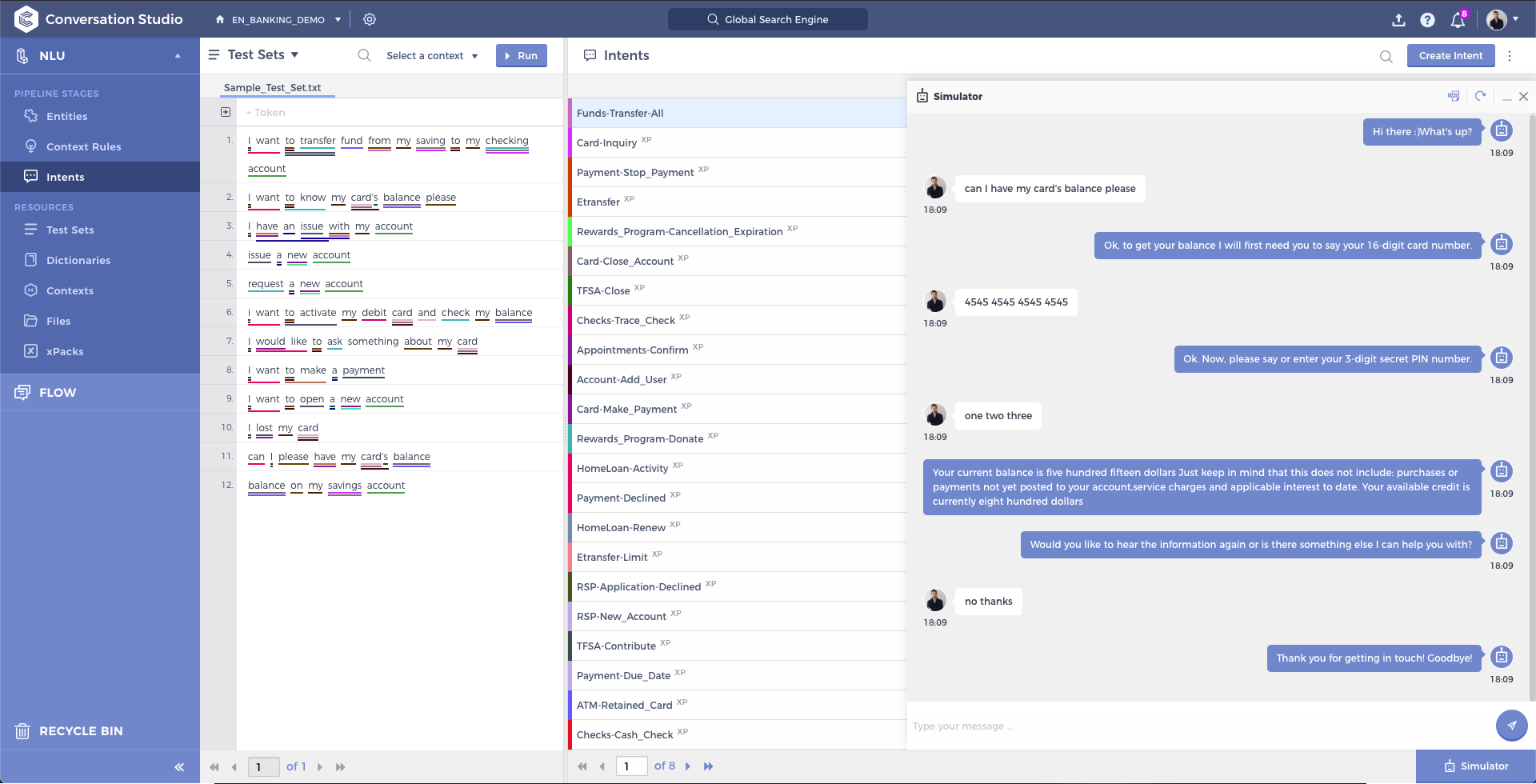
Task Completion Rate is over 90% in such business profiles as banking and telecommunications, and the ability to categorize the number of unique recognized topics exceeds 2000, while other solutions achieve less than 80% recognition accuracy with categorization of a maximum of 50 to 90 categories.

Natural Language Processing
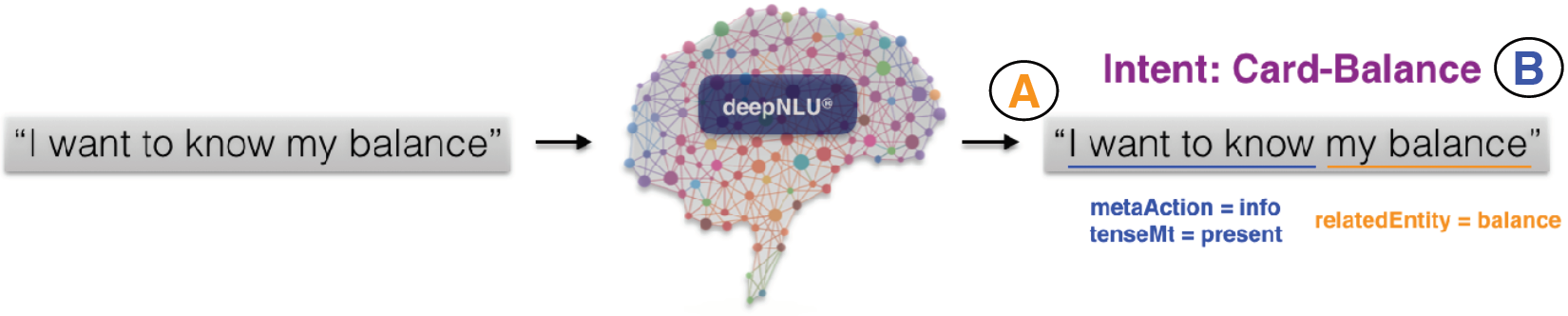
Unlike other existing methods (grammatical, statistical and semantic models) that use only simple dictionary information (word-spotting), the recognition module includes multi-level linguistic analysis. It’s very easy to detect and process complex linguistic phenomena, such as litotes, avatars, metaphor, ellipsis, multi-union, inversions, anaphora, parallelism, etc. that occur in a conversation between peoples and cannot be processed by other solutions.

Memory
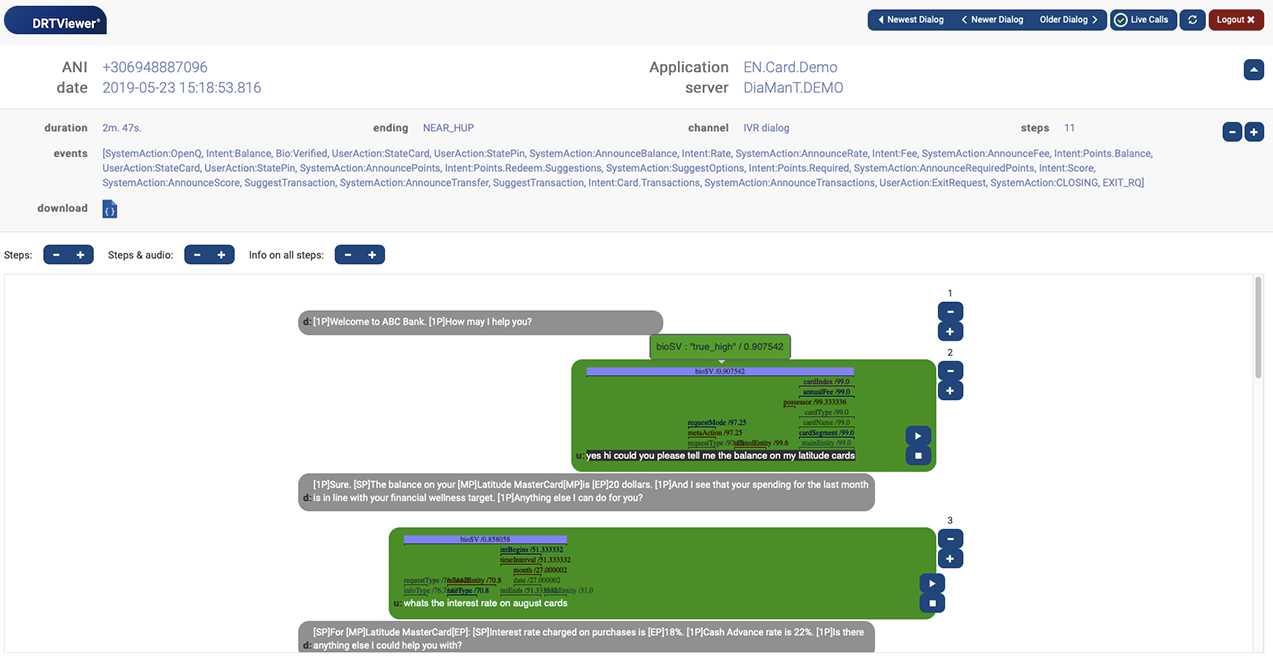
NovaBots platform is also able to remember everything what Customer said on previous steps (most other systems support only one step or use leading questions tactics). For example, if a client first asks for the “SMS notifications” service and then, the System asks: “what exactly are you interested in about this service?”, And the client answers: “connect it” the word “it” is linguistically analyzed as an anaphora and the “SMS service”.

Importance of details
Based on the experience with natural speech and specific applications for the telco and banks, it is very important to understand the subtleties of the statement for the successful delivery of services. It is very important to determine the difference between the phrases “how to activate the service” and “where can I activate the service” – to provide a different announcement accordingly. The phrase “how” – the corresponding answer may be information about the activation method, and already “where” means that it can be done in the department. Such detailing really allows you to understand all the subtleties of customer requests and increase in self-service automation.

Ambiguity definition
The system can ask clarifying questions not only in cases when the subscriber does not interact with the platform, but even in cases when it is expressed ambiguously, in which case it is natural even for a person to ask a clarifying question.

Speed of change
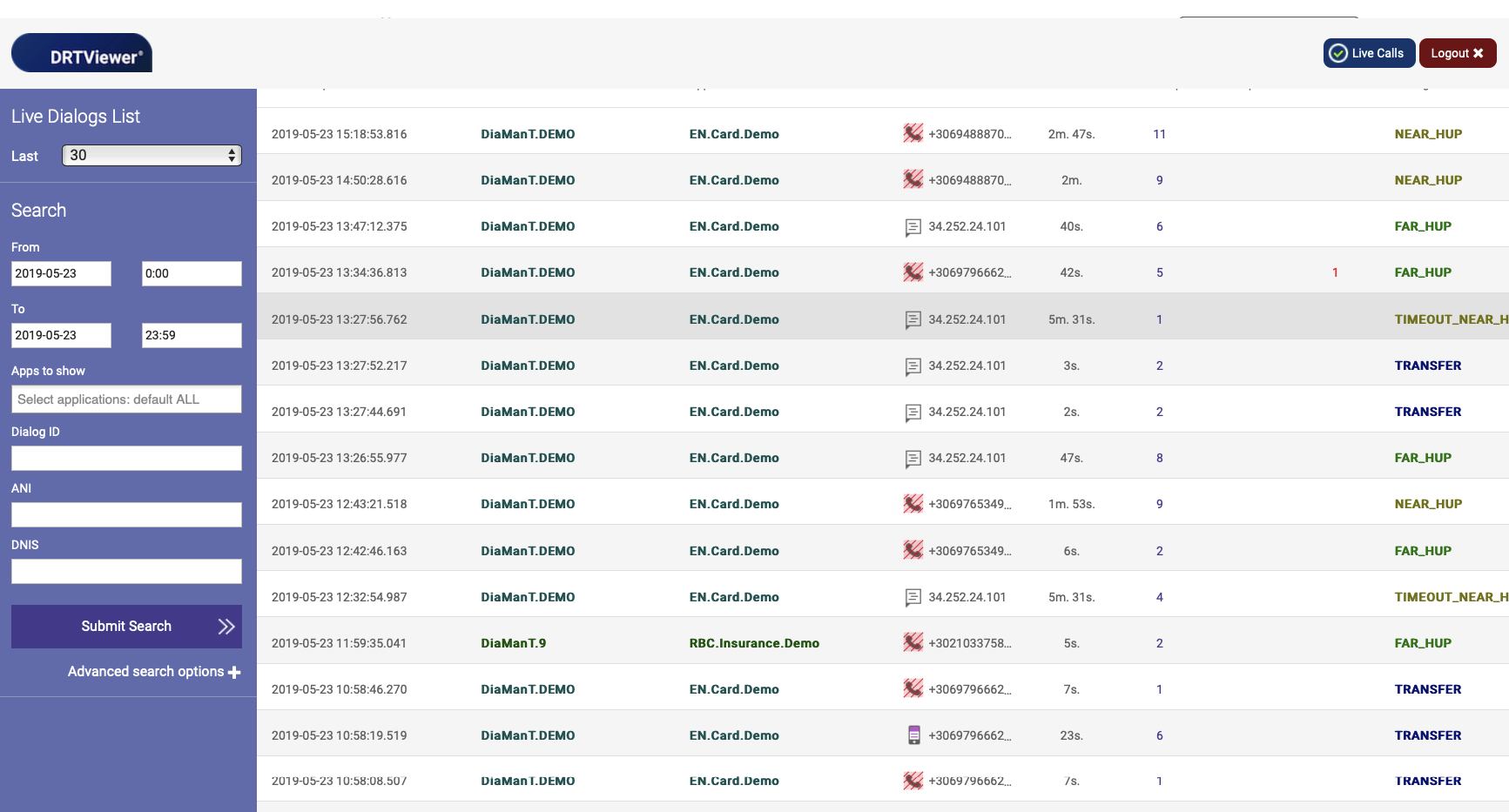
GUI, Visual editor and administration tools allows to make changes within minutes instead of hours